Tips for Creating a Relaxing Home Garden Space on a Budget
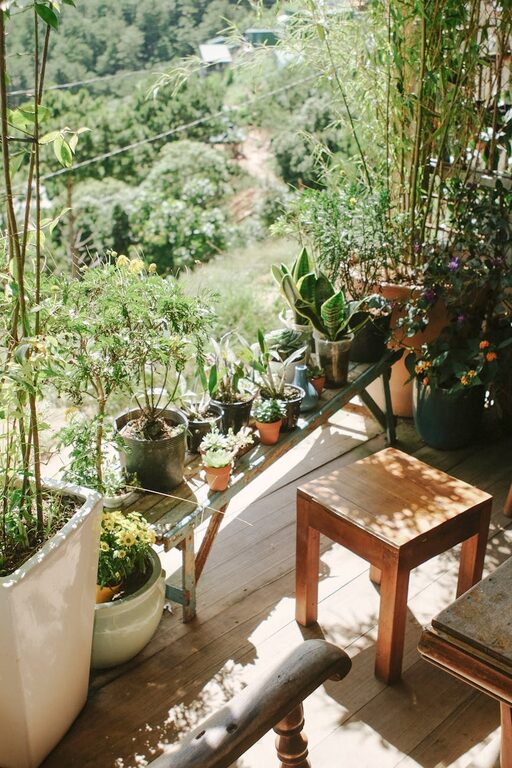
Creating a peaceful garden space at home is a wonderful way to unwind, connect with nature, and make the most of your outdoor area. However, the idea of designing a relaxing garden often brings to mind expensive landscaping projects or high-end furniture. The good news is that you can achieve a calming garden retreat without spending a fortune. With some creativity and smart choices, your garden can become your favourite spot to relax. Here are practical tips to create a relaxing home garden space on a budget.
Assess Your Space and Plan Your Garden
Before buying plants or furniture, take a moment to consider your garden’s layout and how you want to use it. Are you looking for a quiet reading nook, a space for meditation, or somewhere for family gatherings? Knowing this will help you focus your efforts and spending.
– Measure your garden and note sunlight patterns.
– Sketch a simple plan showing seating areas, paths, and planting spots.
– Set a budget and list what you really need versus what would be nice to have.
Choose Budget-Friendly Garden Furniture
You don’t need to invest in expensive outdoor furniture to create a cosy seating area.
– Use second-hand or upcycled furniture: Check local charity shops, online marketplaces, or garage sales for chairs, benches, or tables that can be refurbished or repainted.
– DIY seating: Build simple benches or stools from wooden pallets or crates, adding cushions made from weather-resistant fabric.
– Add comfy cushions and throws: These are relatively inexpensive and make a big difference to comfort.
– Consider portable furniture: Lightweight folding chairs can be moved around and stored easily.
Make Use of Plants for Calm and Colour
Plants are the heart of any garden and key to creating a relaxing atmosphere. You don’t have to buy exotic or high-maintenance varieties.
– Choose easy-care, native plants: These suit your local climate and require less water and care.
– Start with seeds or small plants: They cost less than mature plants and can be grown gradually.
– Opt for herbs: Herbs like lavender, rosemary, and mint add fragrance and attract pollinators.
– Grow plants in simple containers: Recycle old pots, buckets, or tins to save money and create interest.
– Incorporate greenery with low-maintenance foliage plants: Grasses, ferns, and succulents can provide texture and calm.
Add Natural Features for Tranquillity
Certain elements can boost the peacefulness of your garden without any elaborate installations.
– Create a simple water feature: Use a small container filled with water and floating candles or plants. Alternatively, a birdbath encourages wildlife and adds gentle sounds.
– Use pebbles or gravel for paths and ground cover: These materials are affordable and low-maintenance.
– Add large stones or driftwood: These natural objects add visual interest without costing much.
– Set up wind chimes: They add soothing sounds with minimal expense.
Use Lighting to Extend Enjoyment
Even budget lighting solutions can transform your garden into a relaxing space at dusk or night.
– String fairy lights: Solar-powered fairy lights are affordable and easy to install.
– Use candles or lanterns: Weather-resistant LED candles or DIY lanterns create a warm atmosphere.
– Solar path lights: These help define walkways and seating areas with little to no running cost.
Incorporate Comfortable Textiles
Textiles don’t have to be expensive to make an outdoor seating area inviting.
– Use outdoor cushions and mats: Choose water-resistant fabrics, or use waterproof covers for cushions.
– Sew your own covers: If you’re handy with a needle, making your own cushions or throw covers can save money and add a personal touch.
– Use blankets in cooler months: Keep blankets outside in waterproof baskets to stay cosy.
Encourage Wildlife and Nature’s Calm
Adding features that promote wildlife can make your garden more lively, peaceful, and interesting.
– Plant flowers that attract bees and butterflies: Marigolds, daisies, and sunflowers are easy to grow.
– Provide bird feeders or houses: These can be made from recycled materials.
– Create insect hotels: Small piles of sticks, stones, or hollow plant stems offer shelter to beneficial insects.
– Leave small natural areas: Let part of your garden grow a bit wild for more habitat diversity.
Keep Maintenance Simple and Sustainable
A garden which is easy to maintain means less stress and more enjoyment.
– Choose drought-resistant plants to reduce watering.
– Use mulch from natural materials: This keeps weeds down and moisture in.
– Compost kitchen scraps and garden waste: Great for your plants and reduces rubbish.
– Avoid chemicals: Natural pest control keeps your garden organic and healthy.
Personal Touches and Creativity
Your garden should reflect what relaxes you personally.
– Add garden art: Homemade decorations, painted stones, or small sculptures add character.
– Hang up garden mirrors: These create the illusion of space and reflect light.
– Use recycled or repurposed items: Old ladders as plant stands, teacups as planters, or shutters as trellises can be charming and budget-friendly.
—
Creating a relaxing garden on a budget is about making thoughtful choices, reusing what you have, and adding bits of nature and comfort over time. Whether you have a small balcony, a tiny courtyard, or a sprawling garden, these tips can help you craft a personal, peaceful oasis without overspending. Remember, a relaxing space is one that feels welcoming and calm — and you don’t have to spend a lot to create that magic. Happy gardening!