Creating a Relaxing and Productive Home Office Environment
Setting up a home office can be an exciting opportunity to create a workspace tailored to your needs. However, balancing productivity with relaxation is key to maintaining motivation and reducing stress. Whether you work full-time from home or occasionally need a dedicated area, designing your workspace carefully can make a significant difference.
In this post, we’ll explore helpful tips to create a home office environment that enhances your focus while providing a calming atmosphere.
1. Choose the Right Space
Prioritise Natural Light
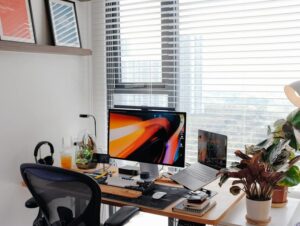
Natural light has a positive effect on mood and alertness. If possible, select a room or corner with plenty of daylight. Position your desk near a window to enjoy sunlight without glare on your computer screen.
Minimise Distractions
Pick a quiet space away from high-traffic areas like the kitchen or living room. This makes it easier to concentrate and signals to others when you’re working.
Consider Ventilation and Temperature
A well-ventilated room with a comfortable temperature helps maintain focus and prevents discomfort.
2. Invest in Comfortable, Supportive Furniture
Choose an Ergonomic Chair
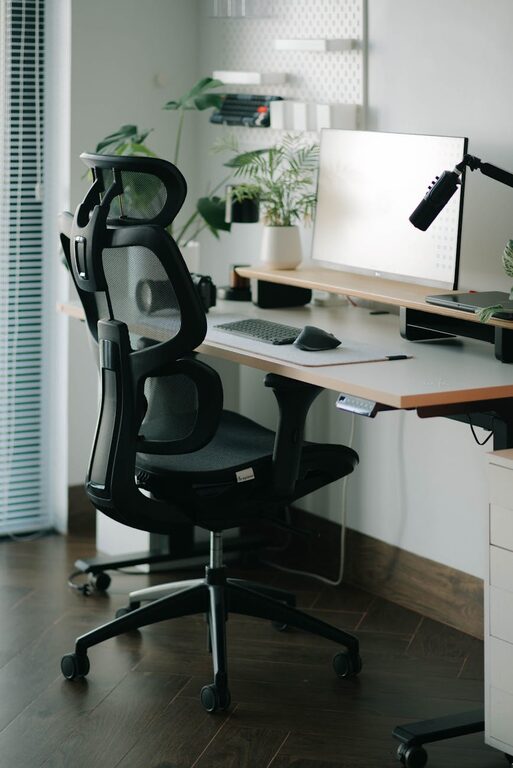
A good office chair supports your back and encourages proper posture during long work sessions. Adjustable features allow you to customise it to your body.
Select a Desk That Fits Your Needs
Your desk should offer enough surface area for your computer, documents, and other essentials. A height that suits you will reduce strain.
Utilise Standing Desks or Desk Converters (Optional)
Alternating between sitting and standing can improve circulation and reduce fatigue.
3. Keep Your Workspace Organised
Use Storage Solutions
Drawers, shelves, and organisers help keep clutter at bay. Clear surfaces help your mind focus.
Implement a Filing System
Whether physical or digital, having an easy way to find documents saves time and frustration.
Maintain Daily Tidiness
Spend a few minutes each day tidying your desk to maintain an organised environment.
4. Control Lighting for Comfort and Functionality
Combine Natural and Artificial Light
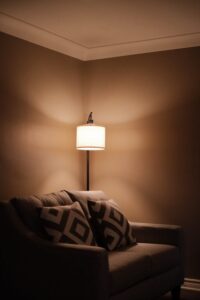
Use daylight during the day and supplement with soft, adjustable lighting. A desk lamp can reduce eye strain during evening work.
Avoid Harsh Overhead Lighting
Bright, direct lights can cause glare and discomfort.
Use Warm or Neutral Coloured Bulbs
These create a relaxing atmosphere without compromising visibility.
5. Personalise Your Workspace Mindfully
Add Calming Elements
Plants, calming artwork, or a subtle colour scheme can make your space inviting and reduce stress.
Limit Distractions
While personal touches are nice, avoid items that might interrupt your work or draw attention away.
Use Colours that Promote Productivity
Soft blues, greens, and neutrals tend to be soothing and encourage focus.
6. Create a Routine and Boundaries
Set Clear Working Hours
Having defined work times helps separate professional and personal life.
Use Physical Cues
Close the door or use a particular light to indicate you’re working.
Take Regular Breaks
Short breaks improve concentration and reduce fatigue.
7. Utilise Technology Wisely
Use Noise-Cancelling Headphones
They help block out background noise, enabling better concentration.
Invest in Quality Equipment
A reliable computer, keyboard, and mouse improve comfort and efficiency.
Manage Notifications
Turn off unnecessary alerts to prevent interruptions.
8. Maintain Good Air Quality and Cleanliness
Introduce Air-Purifying Plants
They can improve air quality and add to the calm atmosphere.
Keep Your Workspace Clean
Regular cleaning prevents dust and allergens, promoting well-being.
Conclusion
Creating a relaxing and productive home office environment is about balancing comfort, organisation, and personal preferences. With thoughtful planning and simple adjustments, your workspace can become a place where you feel motivated and at ease.
Remember, your home office should work for you. Don’t be afraid to adjust your setup as you discover what helps you focus and feel comfortable. Happy working!