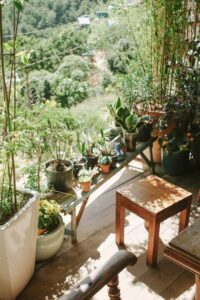
Tips for Creating a Relaxing Garden Space at Home
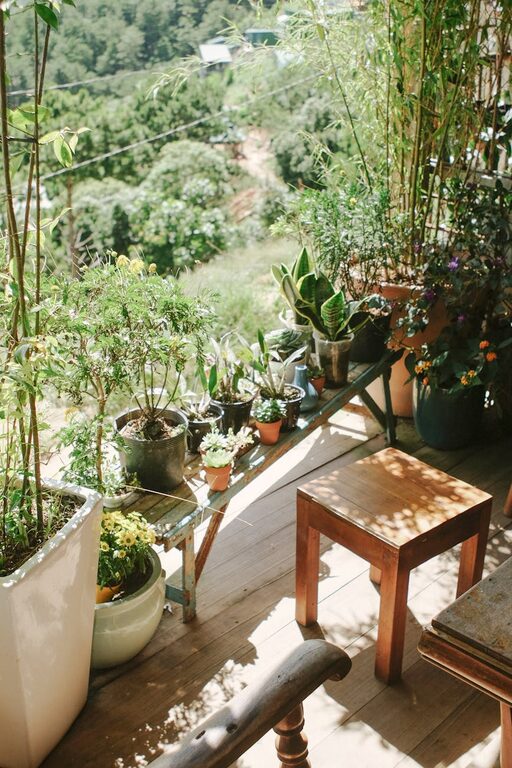
Creating a relaxing garden space at home can provide a tranquil escape from the stresses of daily life. Whether you have a large garden or a small patio, with some thoughtful planning and a few simple touches, you can design an outdoor sanctuary that invites calm and rejuvenation. This guide offers practical tips to help you cultivate a peaceful garden environment that suits your style and needs.
1. Plan Your Space Thoughtfully
Before you start planting or buying furniture, take some time to plan the layout of your garden. Consider how you want to use the space. Do you want a quiet nook for reading, an area for meditation, or a social spot for gentle gatherings? Knowing this will guide your design choices.
– Assess sunlight and shade: Observe which parts of your garden get the most sun or shade throughout the day. This will influence plant selection and where to place seating.
– Create zones: Divide your garden into different areas, such as a seating zone, a planting zone, and a path for strolling.
– Think about privacy: Use hedges, fences, or trellises with climbing plants to create a sense of enclosure and block out unwanted views.
2. Choose Plants that Promote Calm and Beauty
Plants are integral to a relaxing garden. Choose varieties that are visually appealing and, if possible, fragrant to engage your senses without overwhelming them.
– Opt for soft colours: Whites, pastel pinks, blues, and purples are generally calming. Lavender, for example, offers both lovely colour and scent.
– Incorporate different textures: Mix broad leaves with fine foliage to add interest without clutter.
– Include evergreen plants: These provide structure and greenery all year round.
– Add herbs: Plants like rosemary, mint, and chamomile can provide gentle scents and are easy to grow.
– Plan for seasonal interest: Include a mix of plants that flower at different times, plus some with attractive seed heads or berries for winter interest.
3. Create Comfortable Seating Areas
A relaxing garden needs inviting places to sit and enjoy the surroundings.
– Choose comfortable furniture: Soft cushions and weather-resistant materials will encourage you to linger longer.
– Use natural materials: Wooden or rattan furniture blends beautifully with garden greenery.
– Add shade: Consider umbrellas, pergolas, or trees to provide shelter from the sun.
– Include side tables: Perfect for placing a book, cup of tea, or small plant pot.
4. Incorporate Water Features
Water adds a soothing auditory element to your garden that can mask unwanted noise and promote relaxation.
– Small fountains or birdbaths: These create gentle sounds without needing much space or maintenance.
– Ponds: If you have the room and inclination, a pond can support wildlife and add visual interest.
– Water bowls: Simple and stylish, a water bowl with floating flowers can be very calming.
5. Use Lighting to Extend Enjoyment
Good lighting allows you to enjoy your garden during the evening and creates a relaxing atmosphere.
– Soft, warm lights: Solar or low-voltage garden lights work well for pathways and seating areas.
– String lights: Hung above a seating area, they create a cosy ambiance.
– Spotlights: Use these sparingly to highlight particular plants or features.
– Candles or lanterns: Ideal for occasional use and adding a flickering glow.
6. Add Personal Touches and Decorations
Your garden should feel like a personal retreat, so include items that you find comforting or inspiring.
– Garden sculptures or ornaments: Choose pieces that resonate with your style without cluttering the space.
– Wind chimes: Their gentle sounds can enhance the calming atmosphere.
– Soft textiles: Outdoor rugs or blankets can add warmth and texture.
– Bird feeders: Attracting birds brings life and natural sounds.
7. Prioritise Maintenance to Keep It Stress-Free
A garden that looks unkempt can have the opposite effect on your mood. Keep maintenance manageable to ensure your space remains inviting.
– Choose low-maintenance plants: Native varieties often require less watering and care.
– Mulch planting beds: This helps retain moisture and reduces weeds.
– Regular tidy-ups: Light daily or weekly maintenance prevents overwhelm.
– Plan for easy irrigation: Consider drip irrigation or self-watering pots.
8. Incorporate Natural Materials and Colours
Use natural materials as much as possible in your garden design, from stone pathways to wooden furniture. These elements harmonise with plants and create a grounded, organic feel. For colours, stick to earthy tones for hard landscaping and accessories to complement the greenery and flowers.
9. Embrace Simplicity and Clutter-Free Spaces
A garden meant for relaxation should feel open and uncluttered. Avoid overcrowding with too many plant species or garden ornaments.
– Keep pathways clear: Spacious and tidy paths invite calm walks.
– Use repetition: Repeating certain plants or colours brings unity and a sense of order.
– Limit colour palette: Stick to a few complementary shades to prevent visual chaos.
—
By applying these tips, you can create a relaxing garden space at home that nourishes your mind and body. Remember, the most important aspect is that your garden feels welcoming and peaceful to you. With a bit of patience and care, your outdoor space can become your very own sanctuary right on your doorstep. Happy gardening!